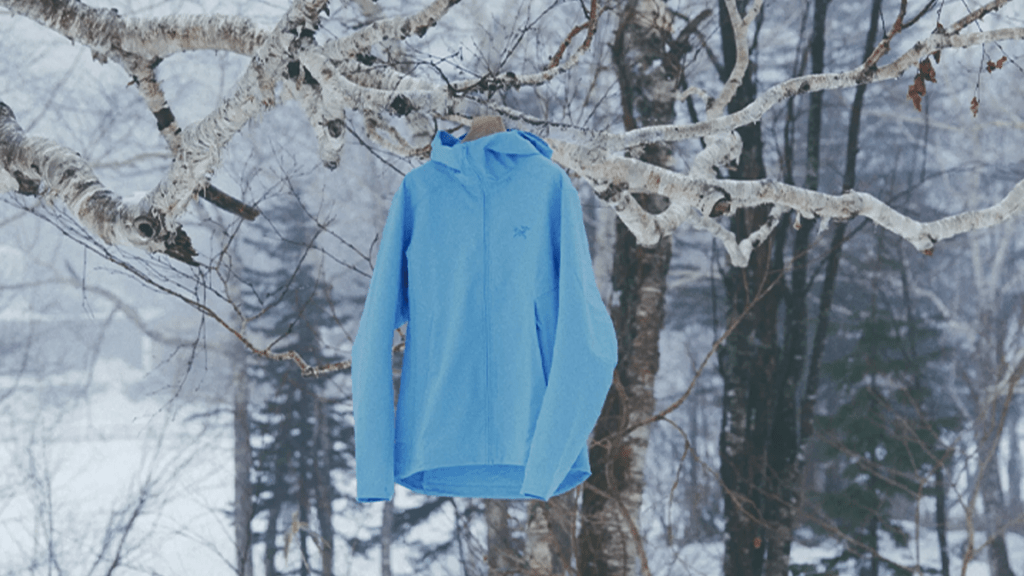
Utility and functionality have always shaped my style ethos, and sit at the core of my value system, so it is with a heavy yet resolute heart that I highlight the growing discrepancies I have found within functional clothing embracing luxury ideals. A luxury of survival. When a base need, safety and survival are met with a prohibitive price tag, I cannot help but question the Darwinian undertones of the contemporary fashion landscape.
This is not an entirely new phenomenon. The rise of “gorpcore”, a term coined in 2017 and popularized in 2020, served as a prelude, a sign that necessity was beginning to mutate into aesthetic capital. As functional clothing brands move into luxury pricing, they transform basic tools of safety and survival into exclusive, aestheticized commodities. This reveals a troubling shift in which necessity becomes status, and survival itself becomes a form of luxury accessible only to those who can afford it.
Luxury’s Pivot to Essentials
This shift did not appear in a vacuum. According to Bain, the luxury market took a 1% fall in 2024, and is projected to contract between 2% and 4% this year. Amongst increasing economic and political strain, especially within the global north, it is no wonder the luxury sector is on a downturn. Global economic slowdown, shifting consumer priorities, and marketplace saturation all claim their pound of flesh in this conquest. Rising financial strain shifts consumer spending towards the essential.
Luxury brands have noticed.
Increasingly, they are repositioning themselves at the forefront of basic needs. Items once seen as basic, such as coffee, water, and toiletries, have become the new soldiers on the frontline army of brand survival. When luxury plateaus, necessity becomes opportunity.
The Luxury of Survival
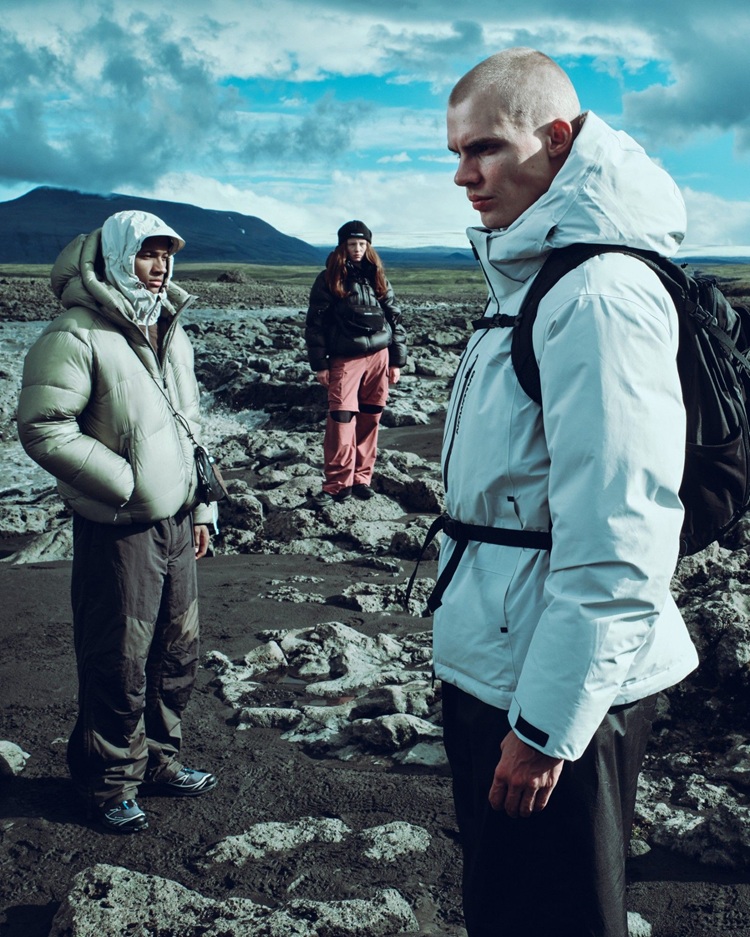
One of the most apparent perpetrators of this tragedy exists within high-end functional clothing. Clothing designed to safeguard individuals in life-threatening conditions now circulates as fashion statements within urban and suburban settings. Arc’teryx, Salomon, Acronym, and similar brands sell not just insulation or waterproofing, but assurance—the performance of preparedness, the aesthetic of resilience.
Of course, the engineering that gives these garments their utility is truly advanced. Gore-Tex Pro, seam sealing, 3D patterning, thermal mapping; these innovations are real and costly. The price tags are not manufactured of pure status.
Nevertheless, the contradiction lies not in the manufacturing but in the cultural trajectory of these objects. A jacket built for arctic conditions becomes a luxury good in a world where the masses cannot afford basic winter gear. Technical trousers designed for mountaineering appear in café queues and TikTok fits, worn not for survival but to signify taste. In a bid to raise one’s status. Function becomes a costume. Awareness becomes a performance.
Arc’teryx specifically is at the top of my mind in this shift, as their brand is something of the progenitor in the gorpcore trend. Likewise, they were a brand I previously took a liking to for their climate action initiatives, and programs catered to protecting the environment. A brand built on nature destroying every shred of credibility they struggled to build with one stunt, destruction in the name of perceived aesthetic value.
When survival gear is priced like jewelry, it no longer belongs solely to the world of utility; it becomes a class marker, a divider, a clear indicator of who has access not just to protection, but the idea of protection. Dare I say, it speaks to something darker: who deserves to live and who does not.
Luxury functional wear suggests that those who can afford it deserve superior survival, while those who cannot must accept a lesser vision if anything at all. A clear division is formed. Now, this would not be such an issue if it only existed within the realm of clothing; class disparity has long ruled with a golden fist. However, this now exists within the living and the dead. It is not intentional eugenics as far as I understand, but it echoes a system where survival comes tiered.
Necessity as Aesthetic Capital
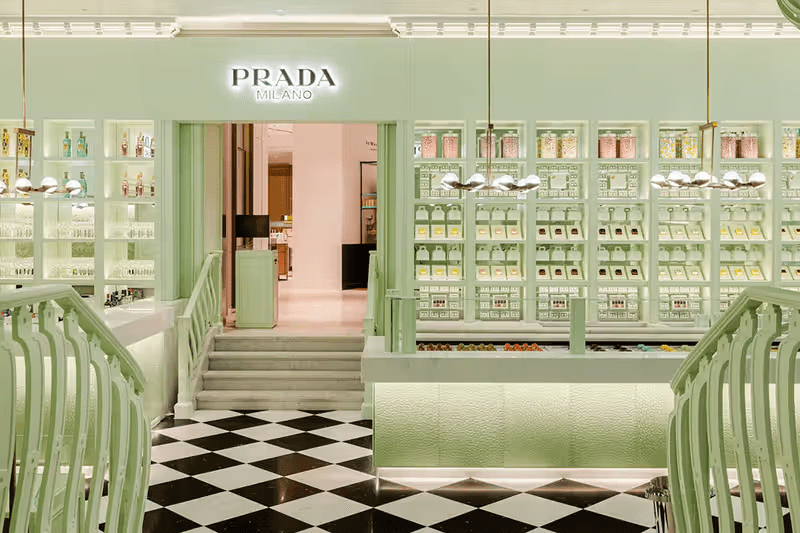
This phenomenon extends beyond the clothing. In fact, this issue has been on my radar since 2020. However, it has progressively gotten worse in a brief period. I am reminded of Prada’s Café opening at Harrods in 2023, sparking discussion and controversy online on the stage of capitalism we were on, class consciousness and status signalling. It was not even Prada’s first instance dabbling in the necessity of food. However, this was an expansion during a volatile period. In my view, it mirrored Marie Antoinette’s “let them eat cake” debacle.
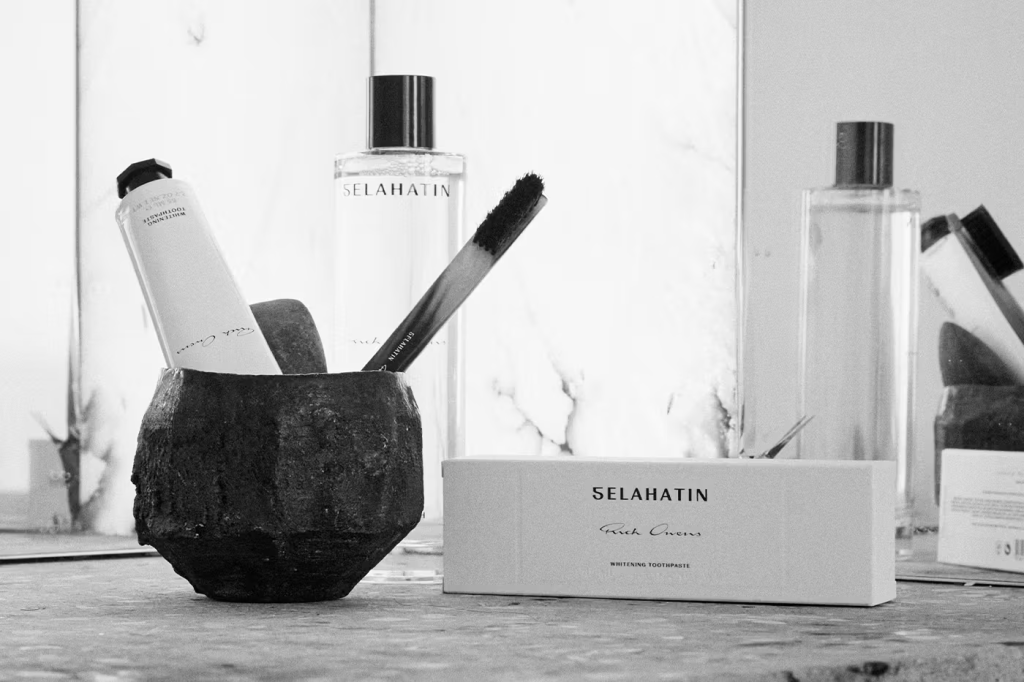
The rise of designer home goods, water bottles, toothpaste, and soaps. Luxury is no longer content to remain in its traditional zones. In fact, I would argue it never was. However, its overt colonization of the everyday, turning coffee, hygiene, and even water into curated experiences, has grown beyond tolerance. A Prada espresso does not nourish the body differently; it nourishes identity. The catalyst behind this article, in a way, was a video I watched on TikTok by @fashionroadman reporting on the collaboration between Rick Owens and Selahatin on a luxury toothpaste. It sent me over the edge. A Rick Owens toothpaste does not whiten more effectively; it signifies familiarity with a niche avant-garde universe.
The functional output of a necessity is void; what matters now is the symbolic value luxury can graft onto it. This is aesthetic capitalism at its most distilled: the transformation of the essential into the exceptional. Every day life becomes a mood board. Survival becomes a lifestyle. Existing becomes an aesthetic performance.
When the mundane is elevated to luxury, the meaning of luxury itself shifts. It is no longer about excess but about the controlled design of necessity. The needs of the many become restrictions of the few; survival is reshaped into privilege rather than a guarantee. When necessity becomes aspirational, the distance between the average person and their basic need grows wider.
The Structural Stakes: Who Gets to Survive Well?
In a warming world, a flood-prone land, a world of climate volatility and economic precarity, the politics of survival become increasingly visible. Technical gear is no longer simply clothing; it is part of the framework of surviving instability. But when the best tools of survival are captured by luxury logic, the aftermath can no longer be dismissed as purely aesthetic.
A rise in performed living as an indicator of status becomes the least of a growing list of already serious issues. Luxury’s entrance into the realm of necessity reframes survival as a curated choice rather than a human right. Ultimately, this is the heart of the issue: when survival becomes aesthetic capital, it stops belonging to everyone.
A World Where Survival Is Styled
The luxury of the essential marks a profound shift in how we think about clothing, necessity, and identity. We are already at a phase where life is performed. Utility has become fashion in earnest. Necessity has become aspirational. Survival has become, alarmingly, a lifestyle.
Inflation of price tags has translated into an inflation of meaning itself.
As long as luxury continues to redesign essential goods, the boundary between what we need and what we perform will only blur further. The line is becoming transparent. Survival or the aesthetics of it? Two sides of the same classist coin.


Leave a Reply